Bioethanol plants that ferment sugars from crops, agricultural residues and organic waste into fuel-grade ethanol for E10 petrol blending, with high-purity biogenic CO2 and animal-feed co-products.
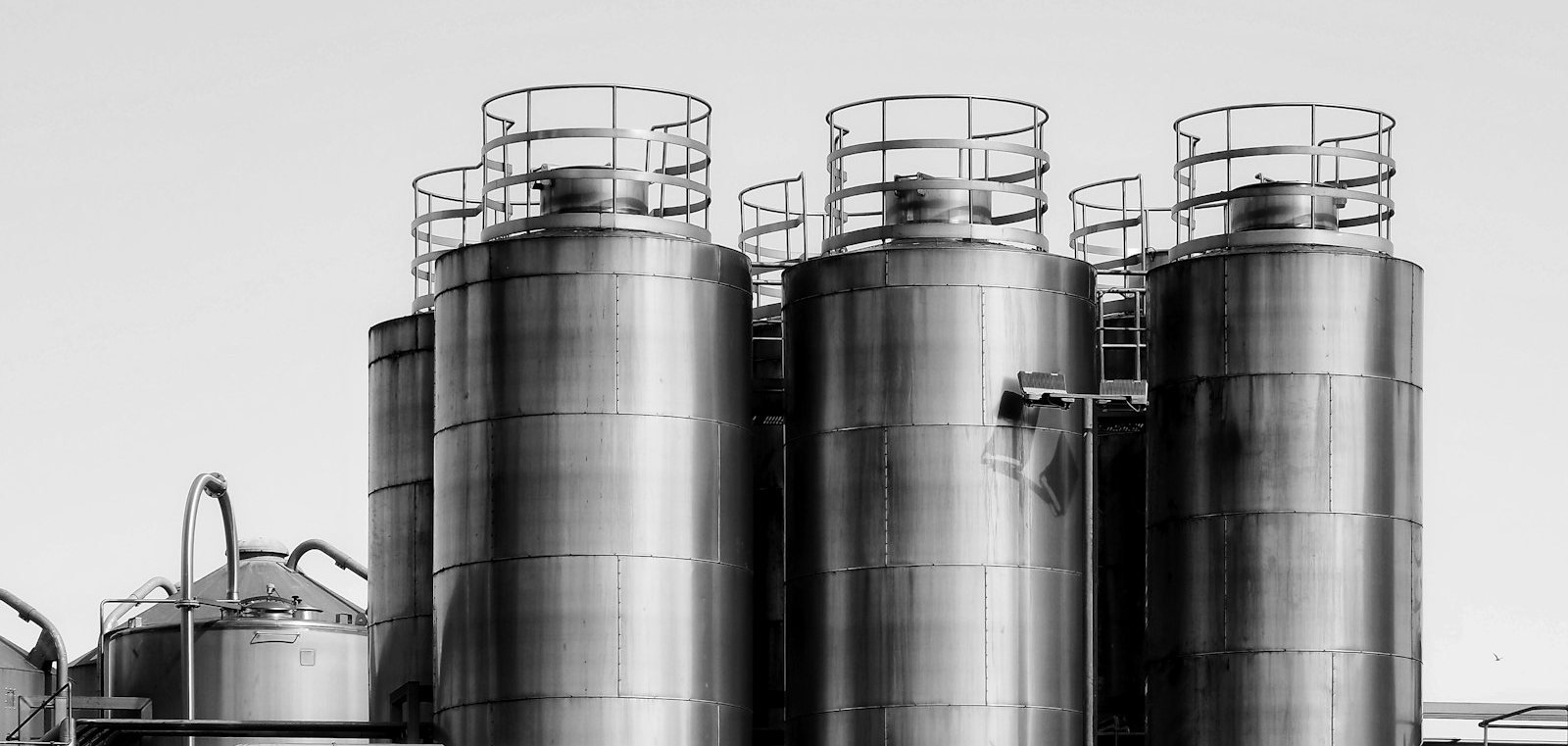
Stainless fermentation and storage tanks – representative photography

| Feedstock | Generation | Notes |
|---|---|---|
| Feed wheat, maize, sugar beet | First | Mature, proven fermentation |
| Straw, husks and crop residues | Second | Cellulosic route; waste-derived fuel credits |
| Food and drink processing waste | Second | Sugary waste streams from breweries and food plants |
| Wood residues | Second | Shared feedstock with CFH gasification |
Chain of custody and GHG savings certified for RTFO and ISCC.
Food-grade CO2 offtake or permanent storage for carbon removal credits.
UE Series CHP supplies the steam and power the plant needs.
Long-term offtake for local farmers and skilled operational jobs.
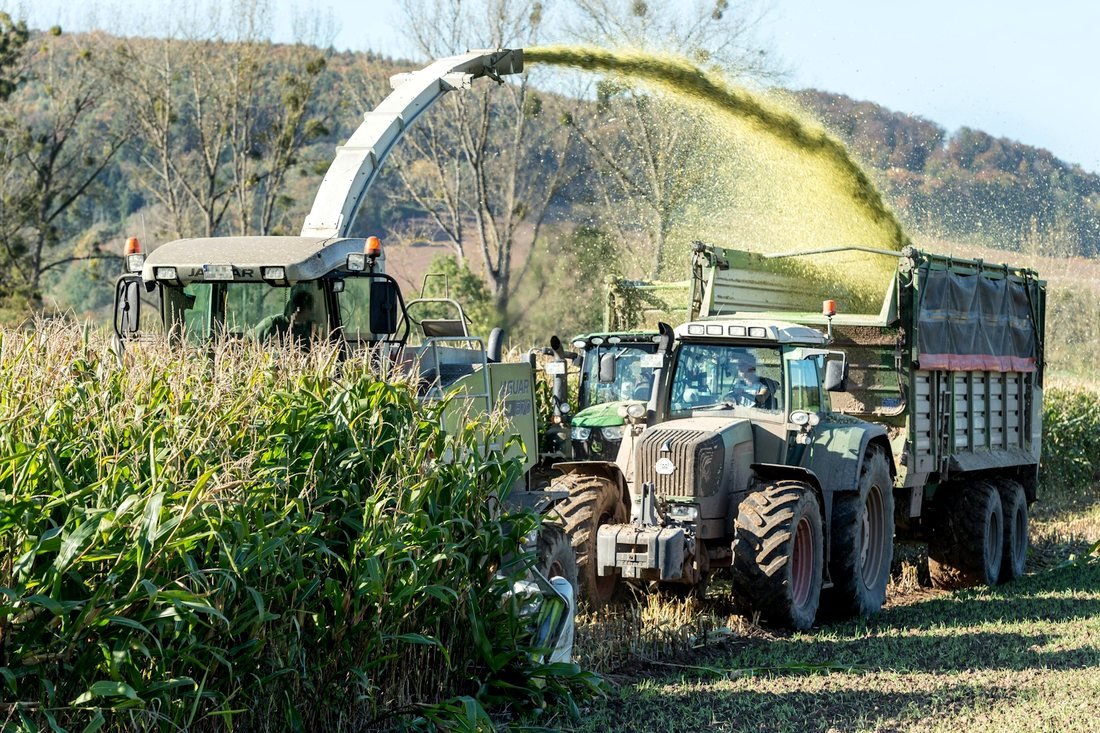
Harvesting crop residues and feedstock
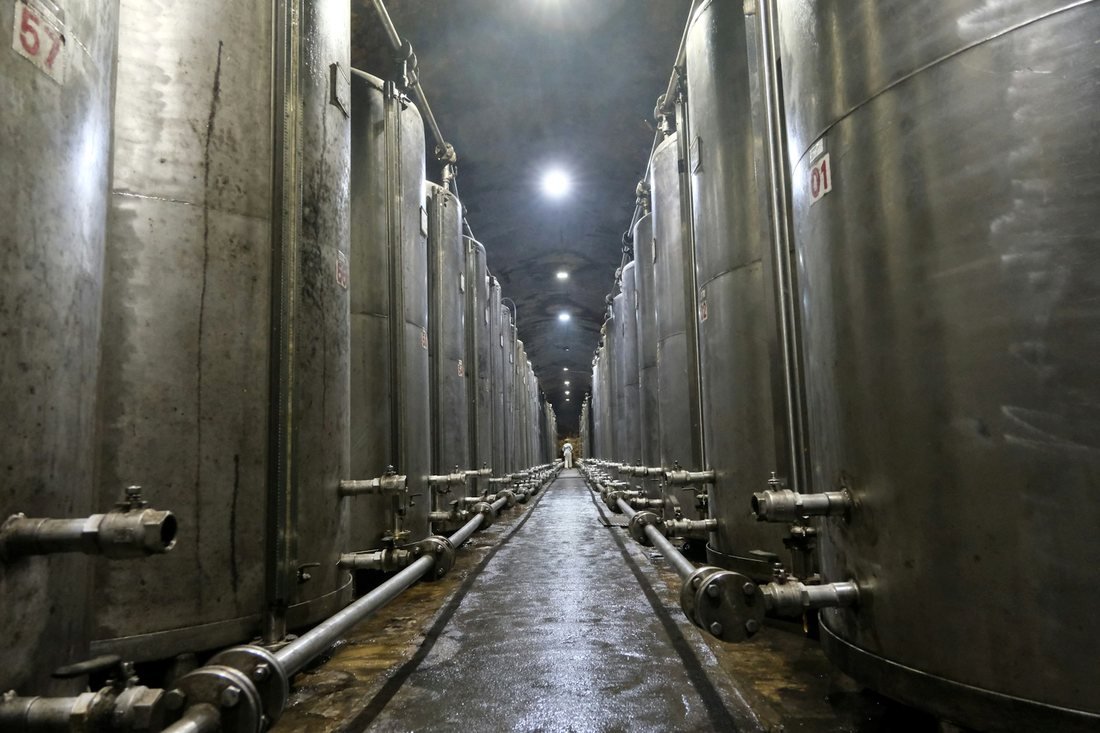
Fermentation tank hall
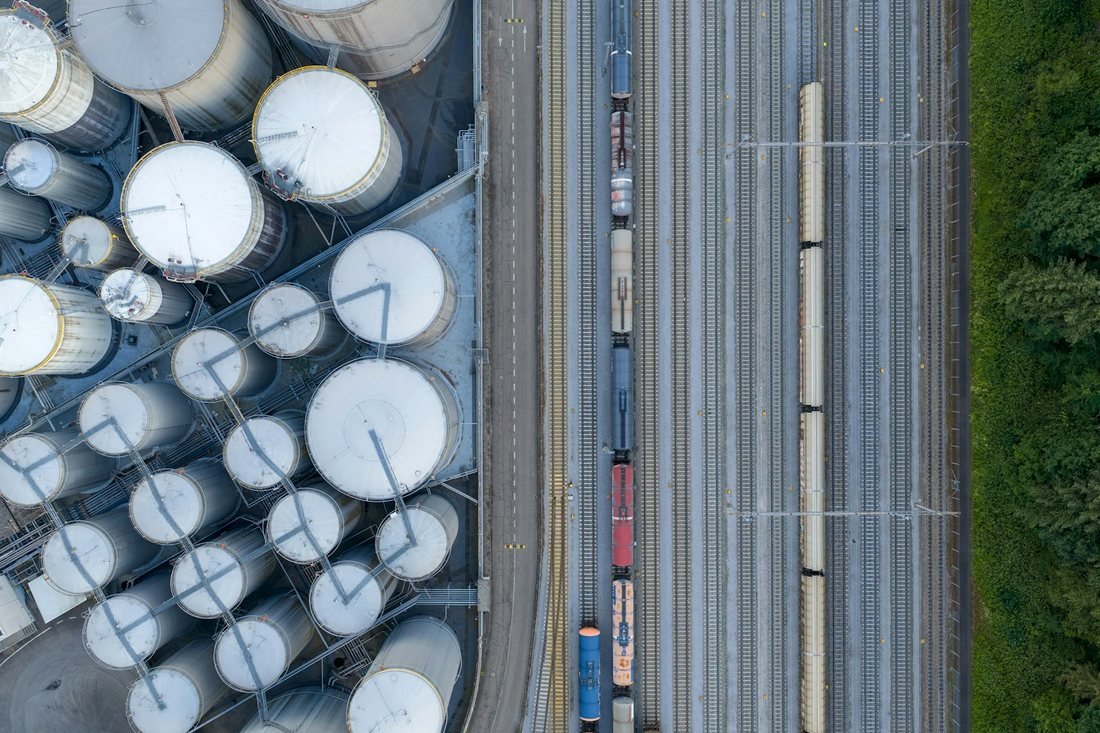
Tank farm with rail dispatch
Representative photography.
| Size | Project cost | EPC finance (85%) | Equity (15%) | Value to landowner a year | Landowner share, 20 yrs |
|---|---|---|---|---|---|
| 25 m litres/yr | £50.0m | £42.5m | £7.5m | £0.39m | £33.0m |
| 50 m litres/yr | £90.0m | £76.5m | £13.5m | £1.16m | £71.2m |
| 100 m litres/yr | £175.0m | £148.8m | £26.2m | £2.49m | £144.4m |
Indicative base case: revenue £0.95 per litre including ethanol, RTFO certificates, CO2 and feed; costs £0.75 per litre; 20-year term. EPC finance 6% over 15 years; costs and revenue indexed at 2.5% a year. Subject to survey, planning, grid and offtake contracts.
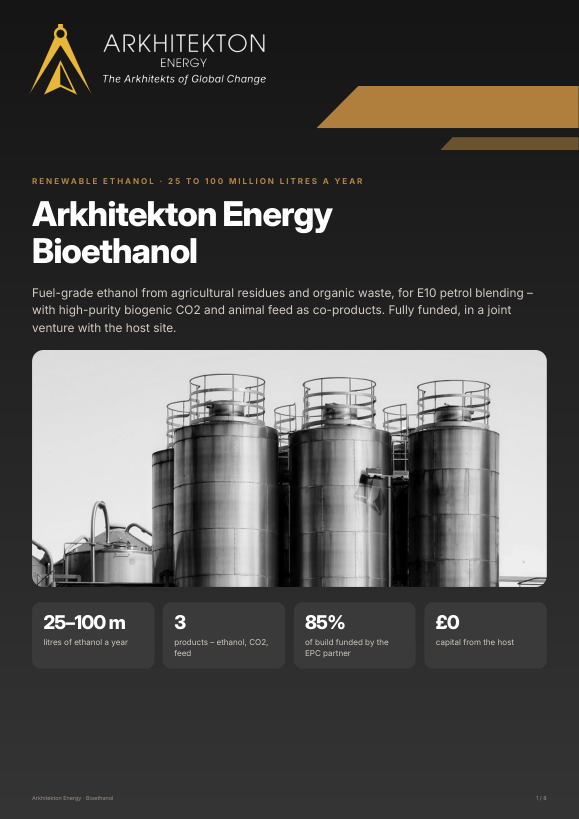
8-page PDF brochure.
Download the brochure (PDF) → Request a site screenBioethanol projects use the standard Arkhitekton model: 85% EPC finance, 15% guaranteed, a 50/50 joint venture with the landowner and a fixed-price turnkey EPC.
We use one strictly necessary setting to remember your cookie choice. We do not use analytics or advertising cookies. Learn more