Forestry residues, crop residues and waste wood converted into power, heat, syngas and green fuels — including CFH gasification, which accepts bulky, mixed and wet material straight from the yard.
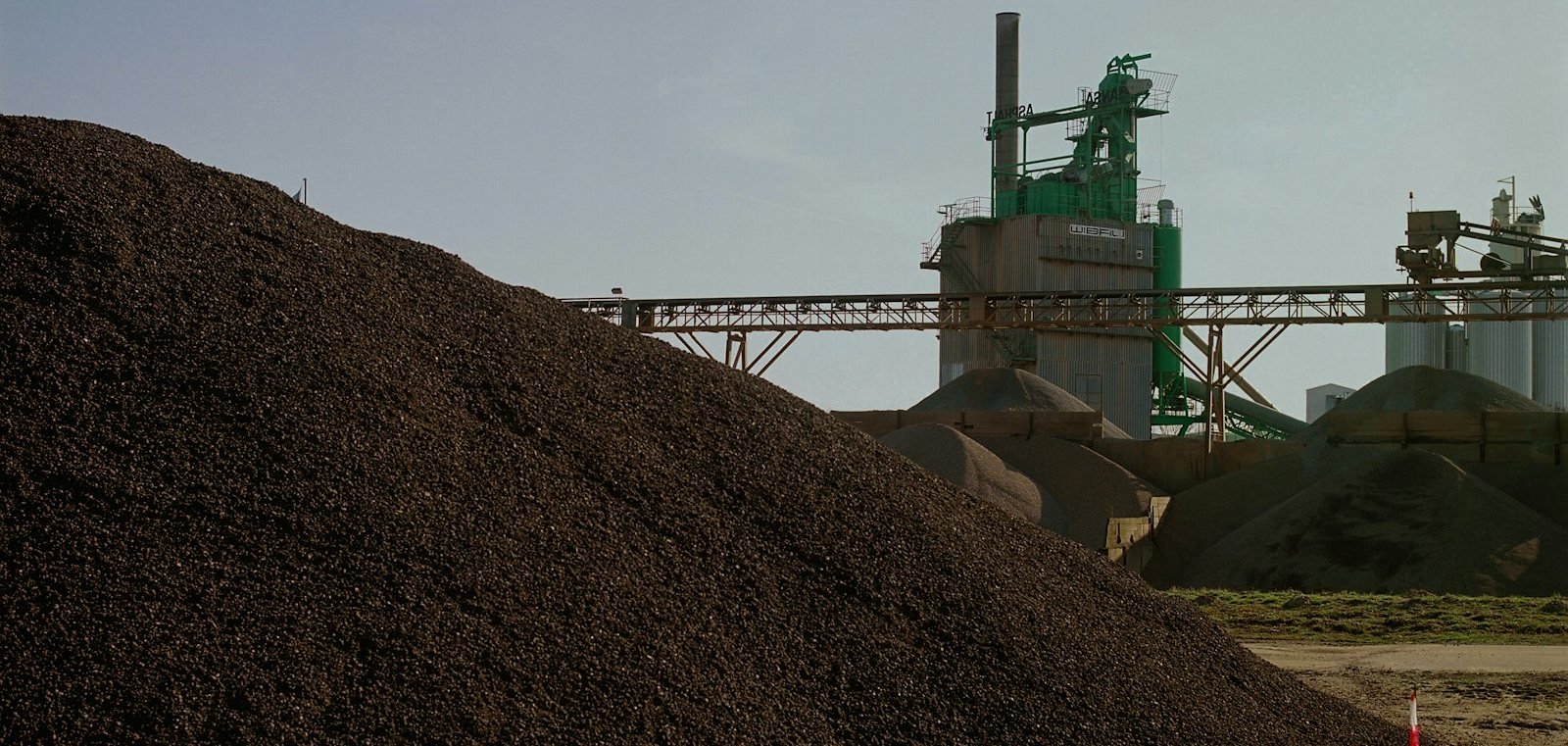
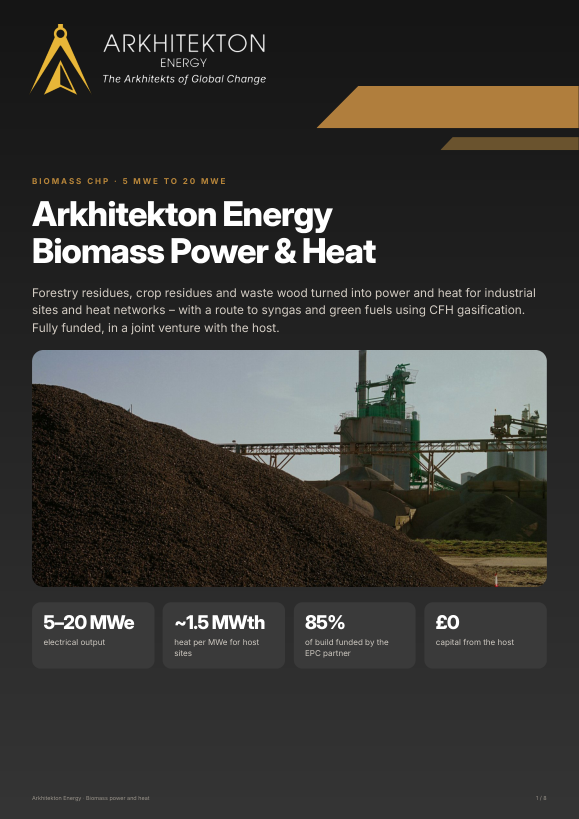
Biomass fuel store at a power plant – representative photography
Because CFH compacts its feed rather than pelletising or grinding it, it accepts bales and lump material over a metre long.
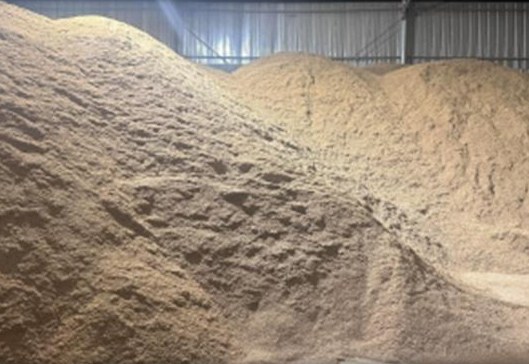
Grade B and C wood, offcuts and oversize.
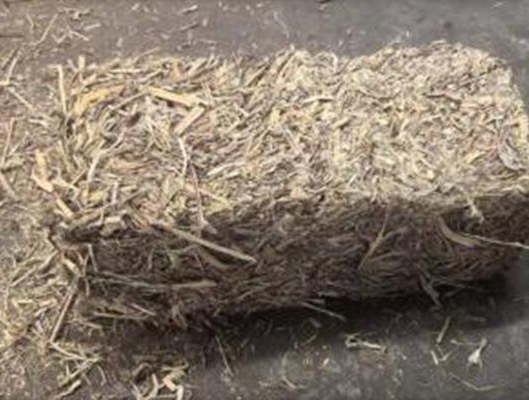
Fuel from residual waste.
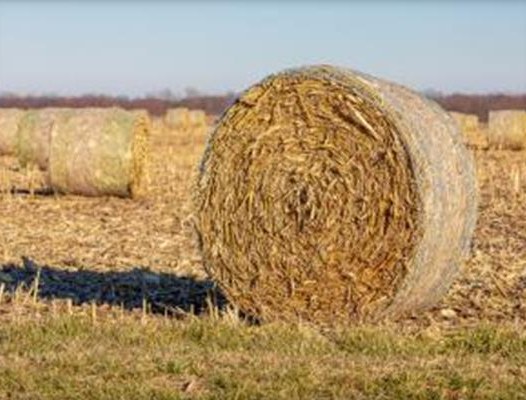
Straw, husks and crop residues, baled or loose.
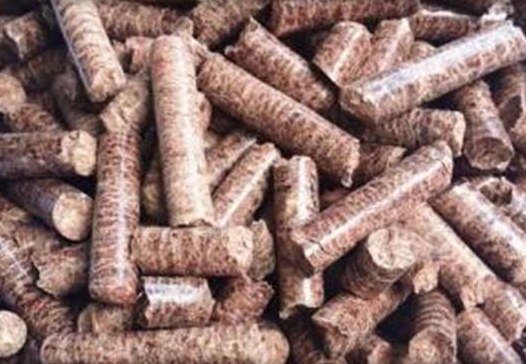
Forestry residues, chip and pellets.
| Parameter | Value |
|---|---|
| Feedstock | 18 t/h · 150,000 t/yr |
| Syngas output | 18,615 Nm³/h |
| Electricity generated | 160 GWh/yr |
| Coal displaced | 63,000 t/yr |
| CO2 avoided | 123,000 t/yr |
Delivered by our technology partner outside the UK; UK economics differ.
Reference plant data supplied by our technology partner; UK permits set site-specific limits.
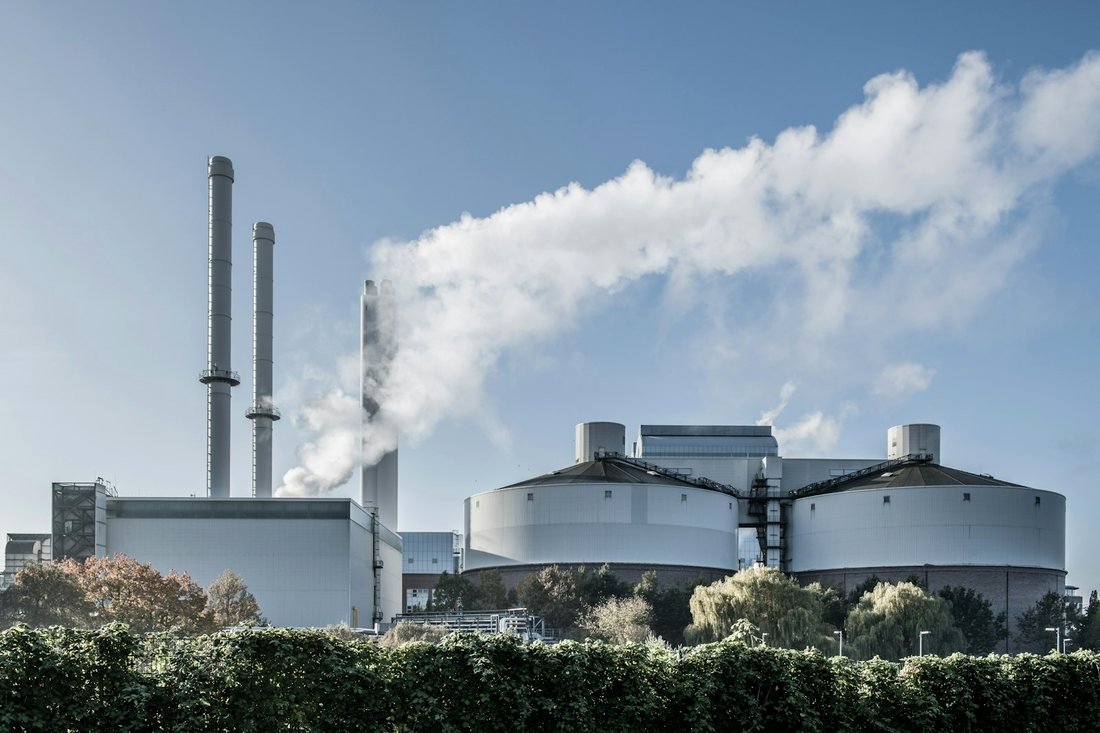
Biomass power and heat station
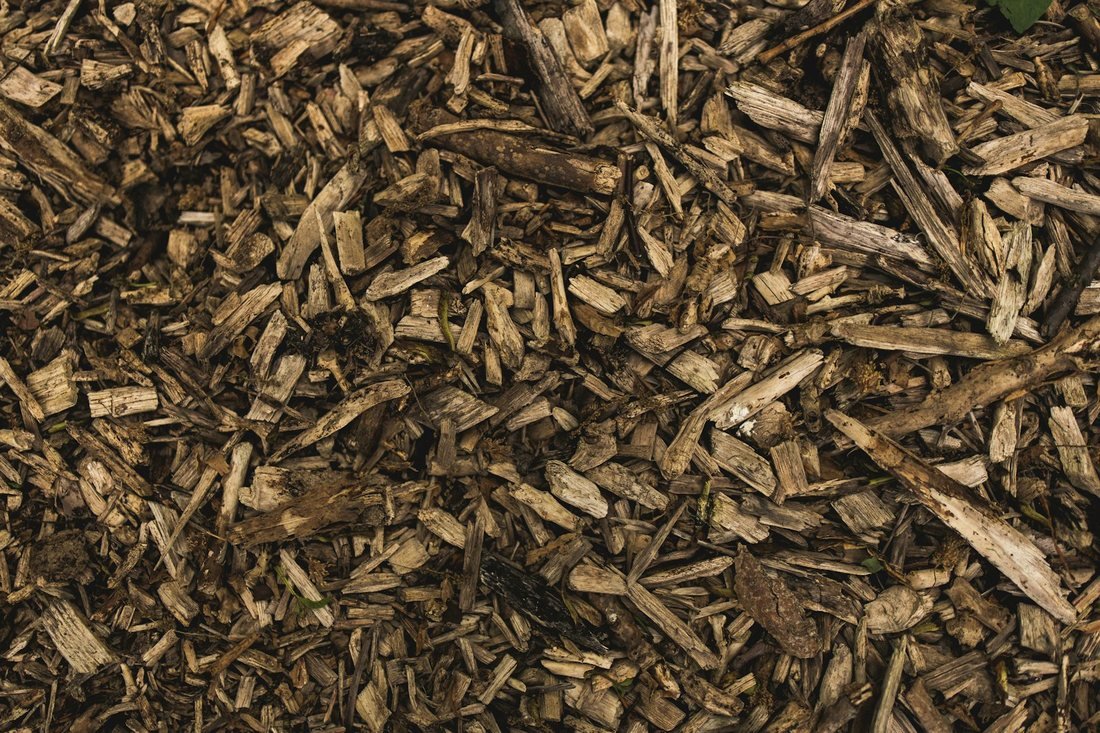
Wood chip fuel
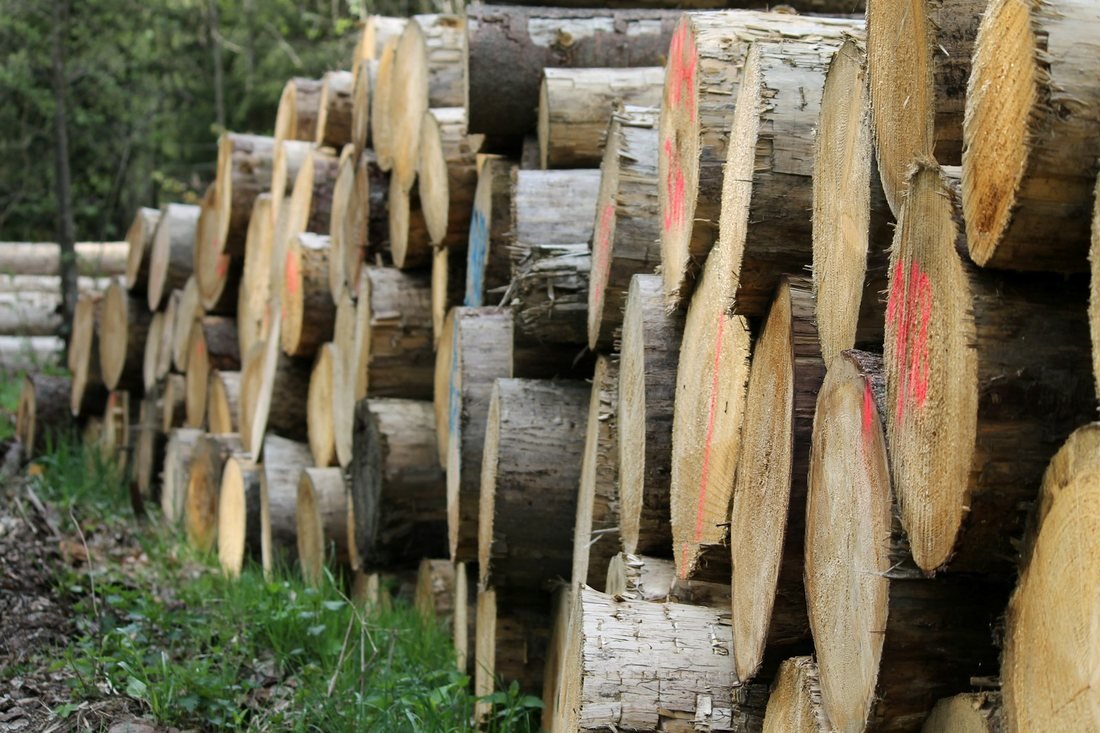
Forestry residues and roundwood
Representative photography.
| Size | Project cost | EPC finance (85%) | Equity (15%) | Value to landowner a year | Landowner share, 20 yrs |
|---|---|---|---|---|---|
| 5 MWe | £25.0m | £21.2m | £3.8m | £0.23m | £17.5m |
| 10 MWe | £48.0m | £40.8m | £7.2m | £0.60m | £37.5m |
| 20 MWe | £90.0m | £76.5m | £13.5m | £1.60m | £82.3m |
Indicative base case: 8,000 hours a year, power £95/MWh, 1.5 MWth heat per MWe for 6,000 hours at £35/MWh, wood fuel £35/t, 20-year term. EPC finance 6% over 15 years; costs and revenue indexed at 2.5% a year. Subject to survey, planning, grid and offtake contracts.
8-page PDF brochure.
Download the brochure (PDF) → Request a site screenBiomass projects use the standard Arkhitekton model: 85% EPC finance, 15% guaranteed, a 50/50 joint venture with the landowner and a fixed-price turnkey EPC.
We use one strictly necessary setting to remember your cookie choice. We do not use analytics or advertising cookies. Learn more