Run-of-river, weir and historic mill-site schemes that generate around the clock, with fish passage and river ecology designed in from day one.
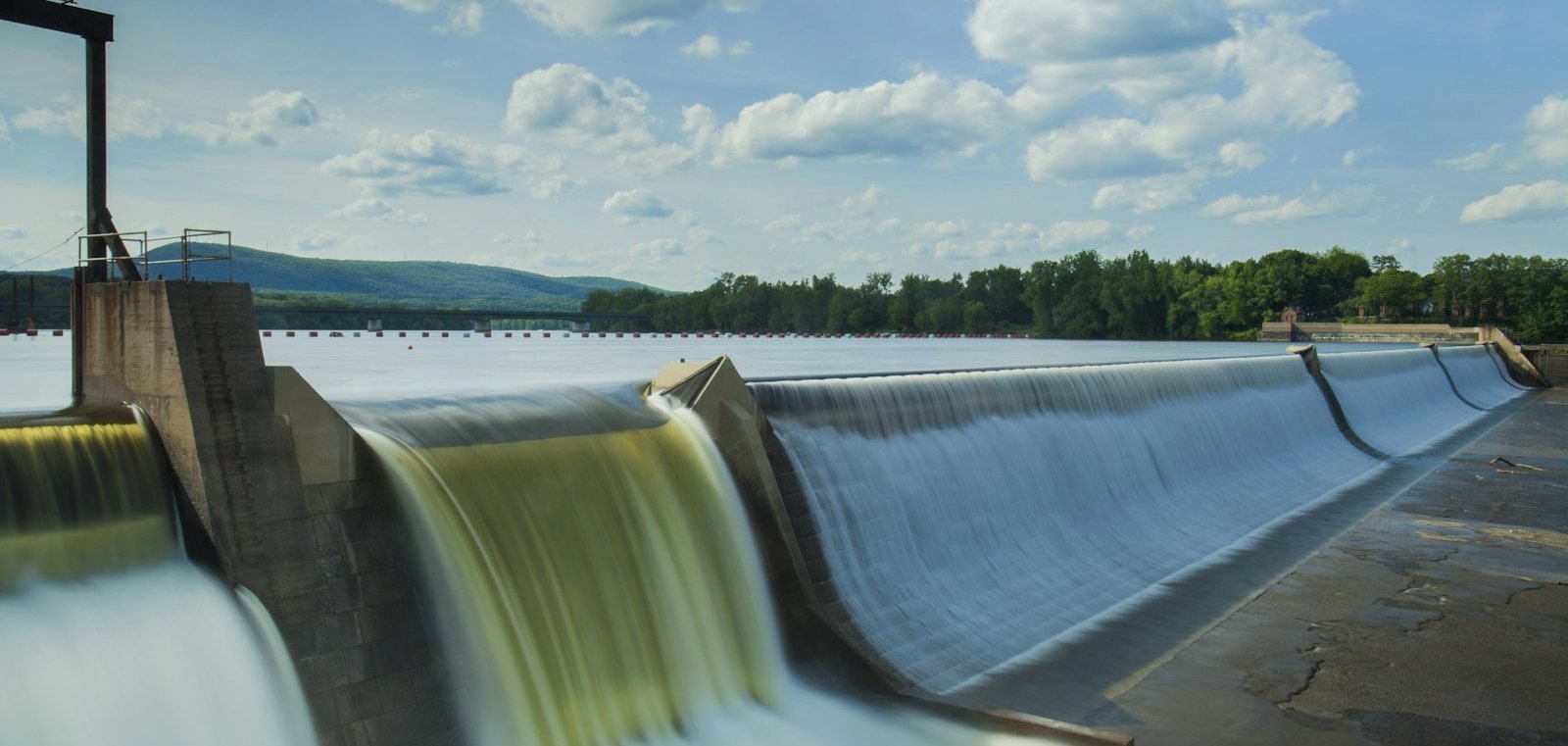
River weir and intake structure – representative photography
Hydro is among the most predictable renewable sources. Small schemes use existing weirs and leats wherever possible to keep civil works light.
Flow duration and head assessment for the site.
Licence to take water for power generation.
Consent for any weir works.
Fish pass and screening agreed with the regulator.
Planning permission and DNO connection offer.
Residual flows, fish passes and screening protect the river ecosystem.
Turbines and civil works that run for decades with planned overhauls.
Private wire to nearby users or export to the local network.
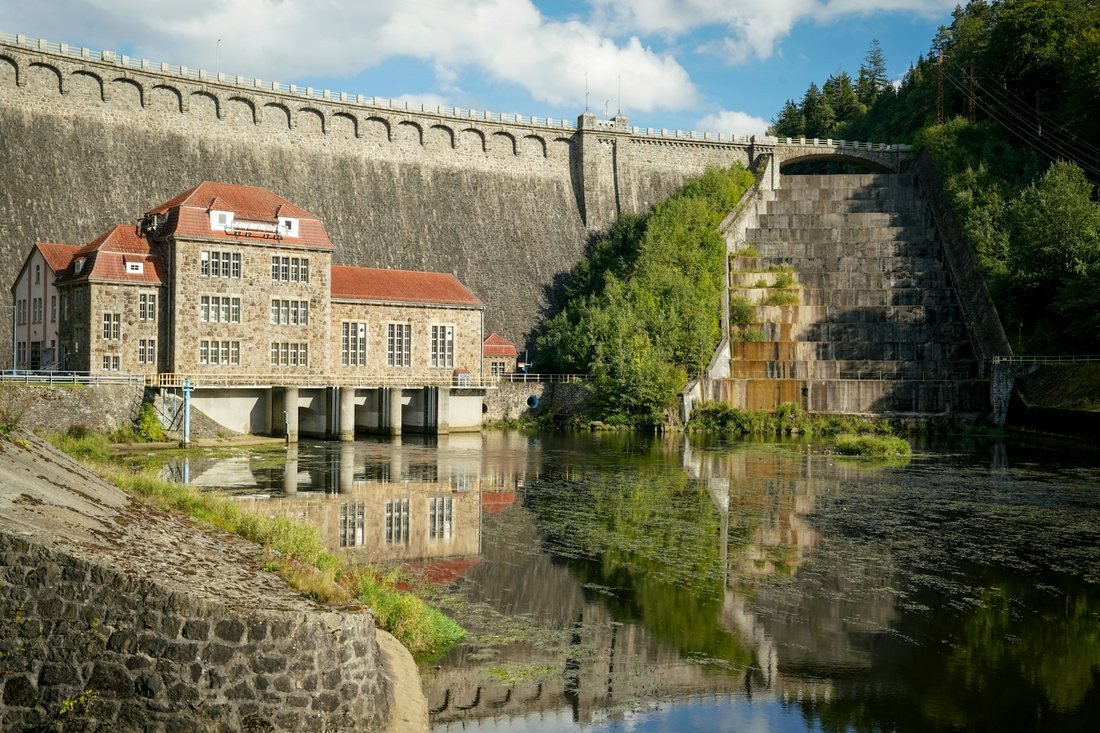
Historic turbine house beside a dam
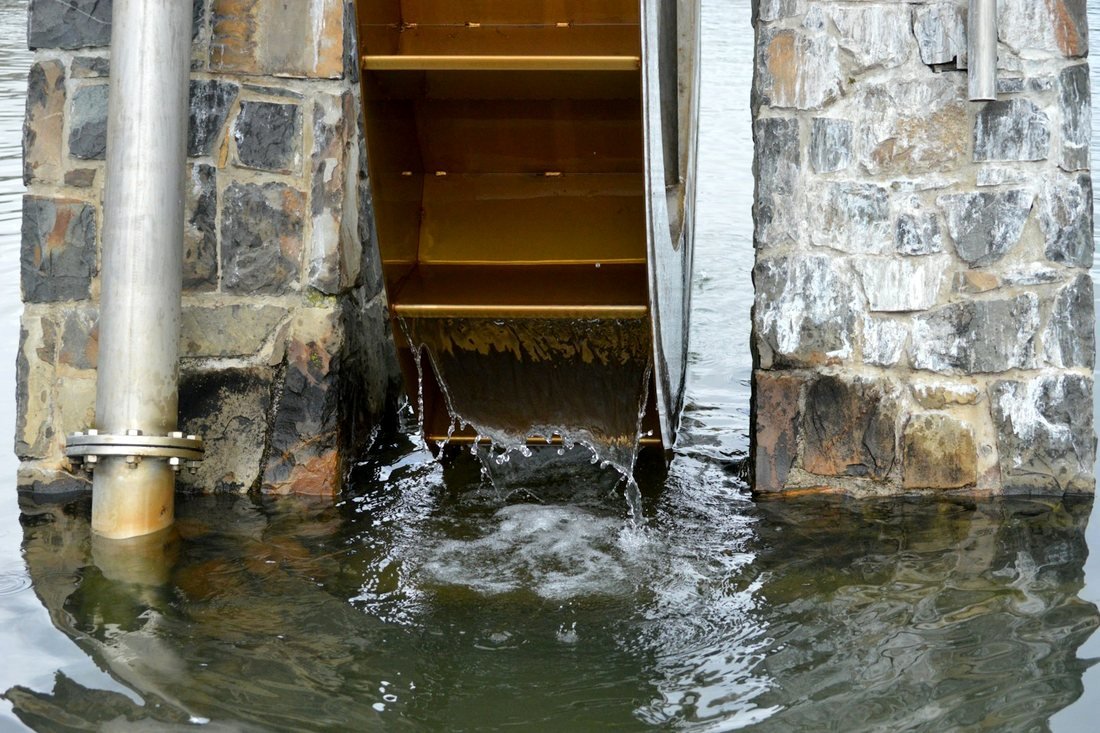
Mill sluice and leat
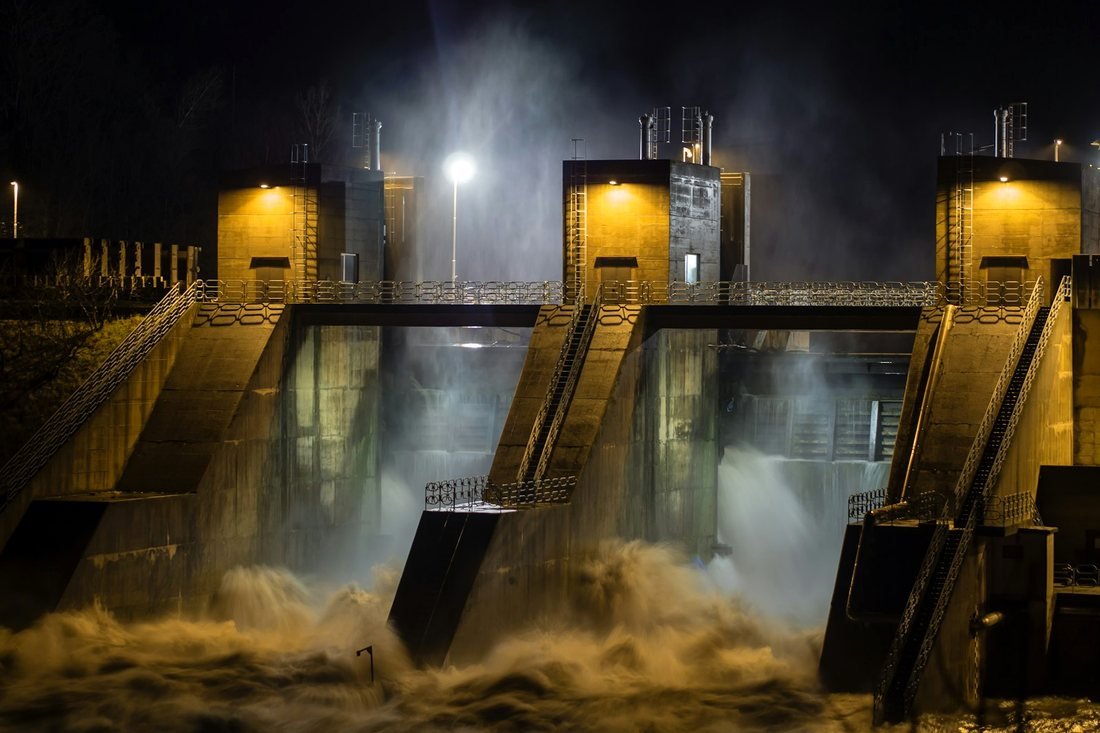
Spillway gates at a hydro scheme
Representative photography.
| Size | Project cost | EPC finance (85%) | Equity (15%) | Value to landowner a year | Landowner share, 30 yrs |
|---|---|---|---|---|---|
| 250 kW | £1.0m | £0.8m | £0.1m | £14k | £1.9m |
| 500 kW | £1.8m | £1.5m | £0.3m | £29k | £3.6m |
| 1 MW | £3.3m | £2.8m | £0.5m | £57k | £6.7m |
| 3 MW | £9.0m | £7.6m | £1.3m | £0.17m | £18.7m |
Indicative base case: 42% capacity factor, private-wire or PPA price £120–150/MWh by size, operating costs 3% of capex a year, 30 years modelled of a 40-year-plus life. EPC finance 6% over 15 years; costs and revenue indexed at 2.5% a year. Subject to survey, planning, grid and offtake contracts.
8-page PDF brochure.
Download the brochure (PDF) → Request a site screenHydropower projects use the standard Arkhitekton model: 85% EPC finance, 15% guaranteed, a 50/50 joint venture with the landowner and a fixed-price turnkey EPC.
We use one strictly necessary setting to remember your cookie choice. We do not use analytics or advertising cookies. Learn more