
Compressed-Feed High-Temperature Gasification (CFH) turns waste wood, refuse-derived fuel and biomass residues into certified green methanol, clean syngas and an inert glass-like aggregate. Alongside it, we build plastic recycling plants and energy-from-waste facilities in joint ventures with UK waste operators.
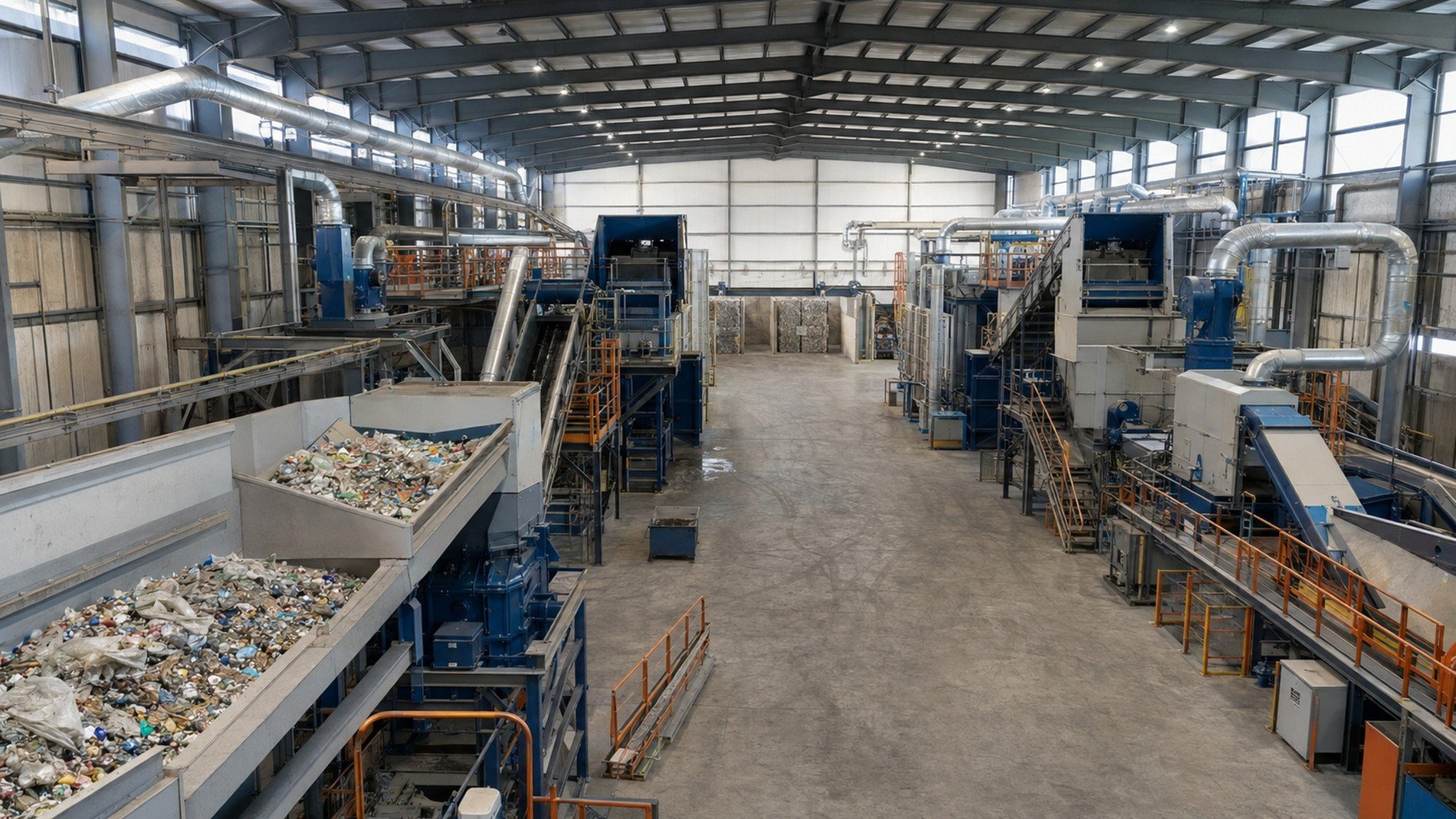
Conceptual visualisation – CMEC fixed-site recycling plant
150,000 t of waste in, 50,000 t of certified green methanol out per train — for shipping, chemicals and road fuel.
80,000 t/yr CMEC fixed-site plants on waste company land, earning PRNs, recycled material and carbon credits.
Fully funded EfW projects with China Haisum as EPC contractor and 85% funder, backed by a full bond package.
A 25 MPa hydraulic press forms the feedstock into dense blocks — no binder, pelletising or fine grinding.
Above 1,200°C the organics are fully gasified — no tar, no methane or long-chain hydrocarbons.
A separate zone at about 1,400°C melts the ash into a glass-like slag well within national standards.
Waste heat raises steam and boosts syngas pressure, cutting downstream energy use.
Low ash and no tar keep scrubbing simple; salts and sulphur are recovered.
Clean syngas goes on to methanol synthesis — or to hydrogen, power or substitute natural gas.
| Parameter | Value |
|---|---|
| Annual methanol output | 50,000 t |
| Feedstock for gasification | 20 t/h · 150,000 t/yr |
| Feedstock specification | <30% moisture, >2,500 kcal/kg |
| Operating hours | 8,000 h/yr design |
| Turndown | 60–110% |
| Jobs | ~50 direct · ~100 indirect |
| Supporting utilities | 8–10 MW power supply |
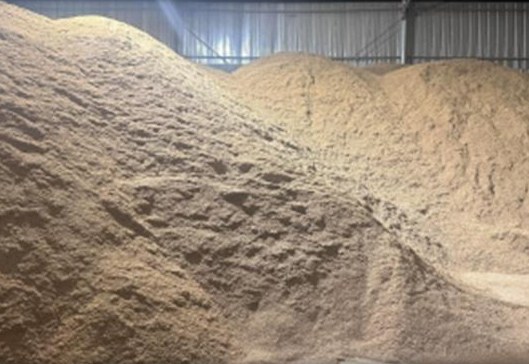
Grade B and C wood, offcuts and oversize.
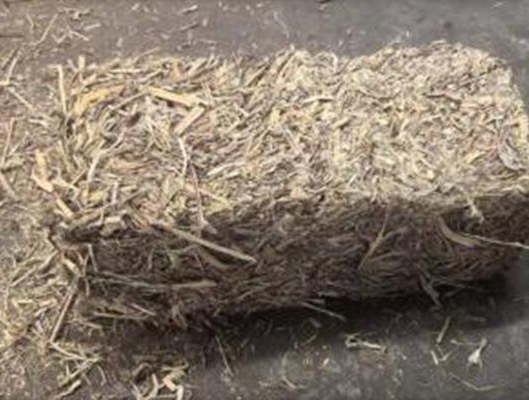
Refuse-derived and solid recovered fuel.
Methanol is the leading alternative marine fuel: liquid at room temperature, compatible with familiar bunkering infrastructure and low-cost to adopt. Regulation now prices the carbon in conventional fuel.
Average maximum price a ship operator can pay, 2025–2050 (Methanol Institute)
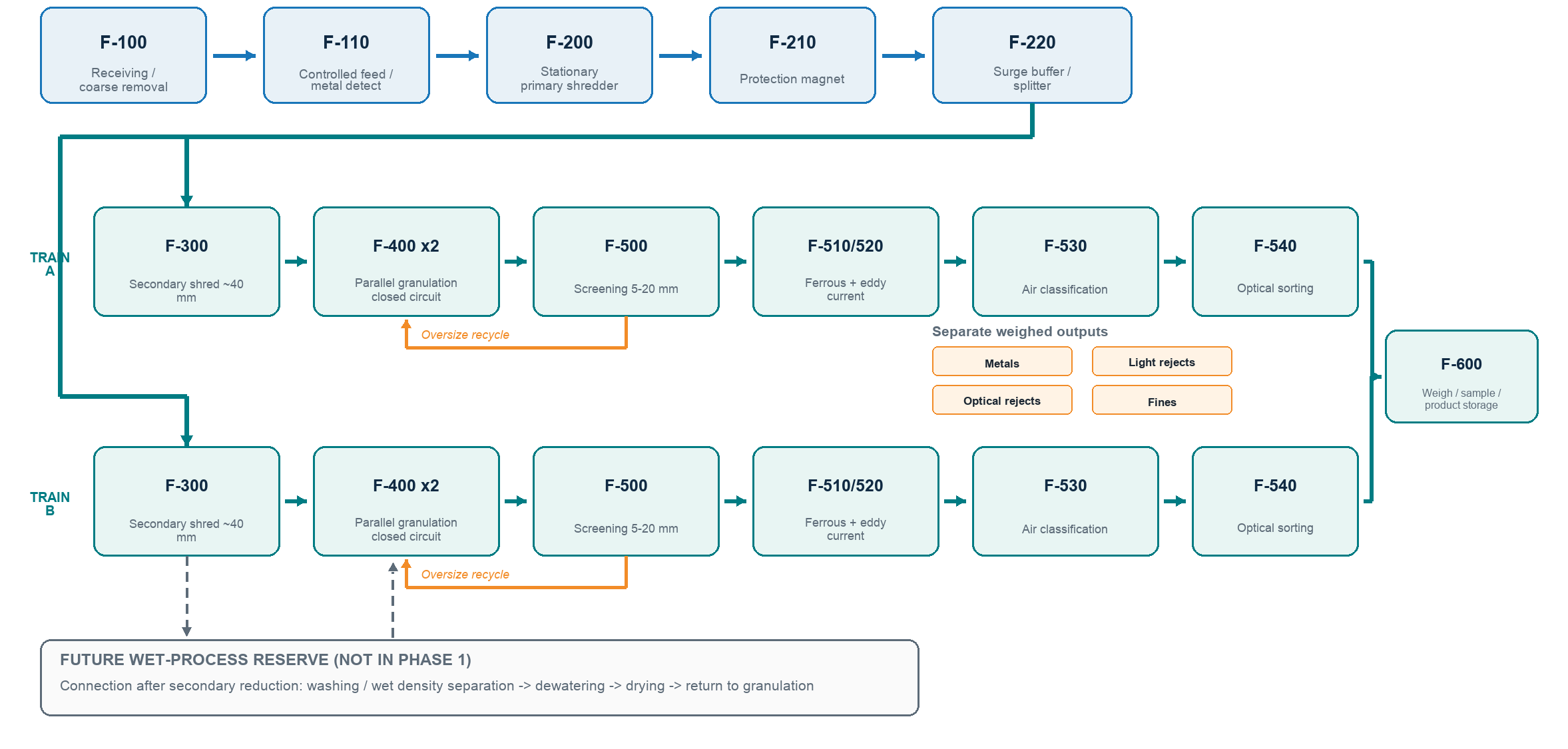
Process flow – CMEC SUZHOU preliminary design: one front end, two finishing trains
We partner with UK licensed waste companies to build a CMEC fixed-site plant on their land — turning plastic they pay to dispose of into PRNs, recycled material and a long-term business.
Illustrative base case, rounded; CMEC has not yet issued a binding price and capex is an Arkhitekton Energy estimate. Subject to contract.
For energy-from-waste plants, China Haisum Engineering — part of China Poly Group and our primary EPC partner — funds 85% of the project. The remaining 15% comes from a UK funding partner, covered in full by an advance payment guarantee, with land completing early inside the civils element of the EPC contract.
Illustrative. Facility terms agreed per project.
Waste to energy projects use the standard Arkhitekton model: 85% EPC finance, 15% guaranteed, a 50/50 joint venture with the landowner and a fixed-price turnkey EPC.
We use one strictly necessary setting to remember your cookie choice. We do not use analytics or advertising cookies. Learn more